Who Pays for a Plumbing Leak in a Laguna Hills Condo or Townhome? HOA vs Owner Responsibility Explained
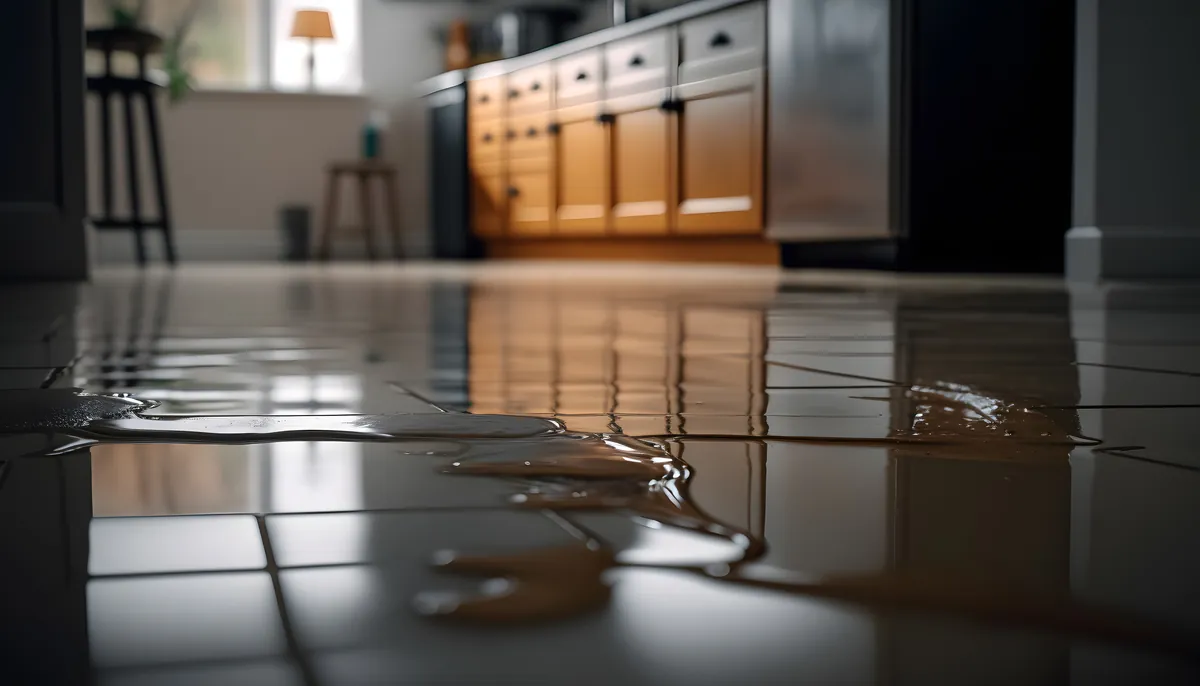
When a pipe leaks in an attached home, the first question is often whose problem it is. How CC&Rs and California's Davis-Stirling Act generally split plumbing…
Laguna Hills has a large share of attached housing. Condo and townhome communities line the streets off Moulton Parkway, La Paz Road and Alicia Parkway, and many of them were built in the 1970s and 80s with copper lines that run through shared walls, ceilings and slabs. When one of those pipes leaks, there are usually at least two parties involved, an owner and an association, and sometimes a neighbor too. Knowing how responsibility is generally divided saves time and frustration.
Start with your CC&Rs
Your community's CC&Rs (covenants, conditions and restrictions) and the condominium plan define what is a separate interest (your unit), what is common area, and what is exclusive use common area. Plumbing responsibility follows those definitions. Two communities across the street from each other can have very different rules, so read yours or ask management for the relevant section.
How California law frames it
Most Laguna Hills associations are governed by the Davis-Stirling Common Interest Development Act. Unless the CC&Rs say otherwise, the Act generally makes the association responsible for repairing common areas and owners responsible for their separate interests. Where a pipe sits, and which units it serves, often decides who repairs it. This is general information, not legal advice; for a specific dispute, your association's management company or an attorney is the right resource.
Typical patterns we see
- Pipes inside your unit that serve only your unit are often the owner's responsibility
- Main lines and risers serving multiple units are often the association's
- Lines in a shared slab or a wall between units depend heavily on the CC&Rs
- Resulting damage, such as drywall and flooring, may be handled differently from the pipe itself, often through insurance
What to do when a leak starts
- Shut off the water to your unit if you can, or call management for the building shutoff
- Notify the association in writing and keep photos
- Contact your HO-6 insurance carrier if there is damage
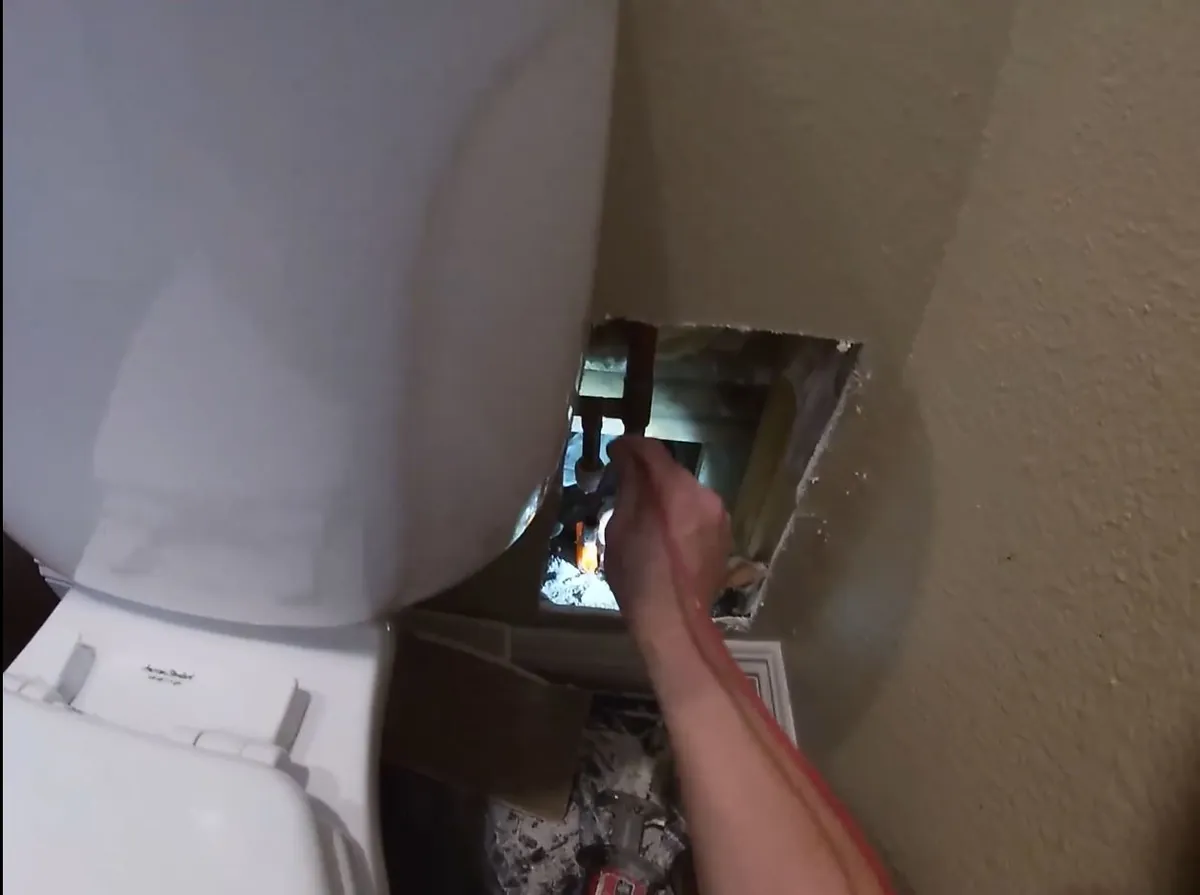
- Have a licensed plumber locate the leak and document where it is
- Let management and the plumber agree on access before opening shared walls
Accurate leak location matters most. A written report showing exactly which pipe failed makes the responsibility conversation much easier.
Repiping in an association
When leaks keep happening, owners and boards start talking about repipes. Some associations repipe whole buildings; others let owners repipe their own units. Either way, the board may want to see the scope, insurance certificates and the plan for shared walls. We provide that paperwork, pull the City of Laguna Hills plumbing permit, and coordinate water shutdowns with management so neighbors are not surprised.
Related reading
See our local guides to homeowners insurance and repiping and main water shutoff valve replacement. Neighbors can visit Laguna Niguel, Mission Viejo and Aliso Viejo, and every area is on repipeinc.com.
Dealing with a leak in an attached home?
We will find the source, document it for you and your association, and recommend a fix. Get my free quote. Our AI system alerts a technician instantly, so you get a fast callback.
Repipe OC, 23821 Hillhurst Drive, Laguna Niguel, CA 92677, (949) 524-2362, CSLB #1087885 C-36.
Repipe OC near you
Not in Laguna Hills? The same crew serves nearby cities. See all Orange County service areas at repipeinc.com, or jump to a neighboring city:
 Written by Repipe OC · CSLB #1087885 C-36 · 23821 Hillhurst Drive, Laguna Niguel, CA 92677 · (949) 524-2362