Can a Slab Leak Damage Your Foundation? What Laguna Hills Homeowners Should Watch For

Water escaping under a concrete slab does not always stay put. Here is how a hidden supply leak can affect soil, floors and finishes in Laguna Hills homes.
Many homes in South Orange County sit on concrete slabs with water lines running underneath or through them. When one of those lines leaks, the water has nowhere obvious to go. It can soak the soil, wick into flooring and travel along the underside of the slab. Laguna Hills slab leak damage often starts quietly and shows up later as cracked tile, a warm spot or a musty smell. This guide explains what slab leak damage in Laguna Hills homes can look like and when to call for help.
How a slab leak affects what is under the house
A pressurized supply line can release a steady stream of water around the clock. Over weeks or months, that water saturates the soil beneath the slab. Some soils, especially clay-rich soils common in parts of Orange County, swell when they get wet and shrink as they dry. That movement can push on the slab from below. In other cases, moving water can wash fine soil away and leave small voids under the concrete.
Neither outcome is guaranteed. Many slab leaks are found and fixed long before soil movement becomes significant. Still, the longer water runs, the more chance it has to affect the ground the house rests on.
Signs worth noting
Damage from a slab leak tends to show in finishes before anything else:
- New cracks in tile or grout, or tiles that sound hollow when tapped.
- Hardwood or laminate that cups, buckles or separates.
- Damp or discolored carpet with no leak above it.
- A warm area on the floor, which can point to a hot water line.
- Doors that start to stick or swing on their own.
- A musty smell near baseboards or closets.
- A water bill that rises without a change in use.
Some of these signs have other causes. Hairline cracks in concrete are common as slabs cure and age, and doors stick for many reasons. A pattern of several signs together, especially alongside a rising bill, is more telling.
Confirming a leak
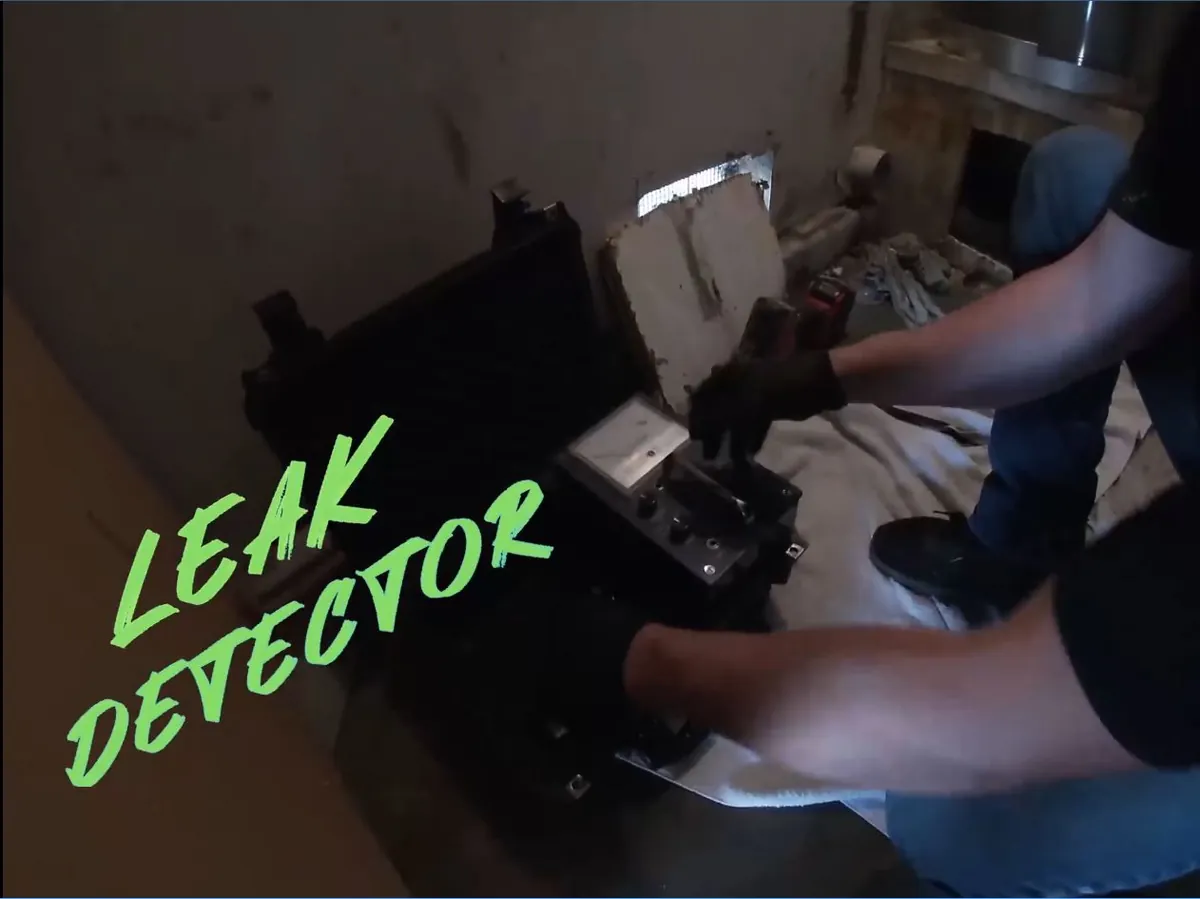
A simple first check is the water meter. Turn off every fixture and appliance, then watch the meter's leak indicator. If it moves, water is flowing somewhere. A licensed plumber or leak detection specialist can isolate hot and cold lines, run pressure tests and use listening equipment or thermal imaging to narrow down the location before anyone breaks concrete.
Laguna Hills slab leak damage and local homes
Laguna Hills grew mainly in the 1960s and 1970s, with many single-story and split-level homes in neighborhoods such as Nellie Gail Ranch, Sheep Hills and the areas around Moulton Parkway. Many of these houses were built on slabs with copper water lines below or within the concrete, and some sit on sloped lots where drainage and soil conditions vary. Copper of that age may develop pinhole leaks, and a leak that runs unnoticed for a long time has more chance to cause slab leak damage in Laguna Hills than one caught early. Some neighborhoods also have an HOA with rules for exterior or structural work.
When to involve other experts
If a leak has been running a long time, or if you see wide or growing cracks, uneven floors or gaps at windows and doors, a structural engineer can evaluate whether the slab or foundation has been affected. Separating plumbing repairs from structural questions keeps both on track. Your insurance company may also want photos, reports and invoices, so document everything from the first sign.
Repair options for the leak itself
Once a slab leak is confirmed, common approaches include repairing the line through an opening in the slab, rerouting the affected line through walls or the attic, or replacing the supply piping more broadly if the system has had repeated failures. Each option has trade-offs in disruption and long-term reliability. A reroute avoids breaking the slab but changes where the pipe runs, while a spot repair fixes one failure without addressing the age of the remaining lines. Asking how old the rest of the piping is helps you choose.
Catching the leak early is what protects the floor, the soil and the slab. Quick action on Laguna Hills slab leak damage keeps a plumbing repair from turning into a bigger project.
Quick takeaways
- Slab leaks can soak soil, swell clay or wash out fine soil under a slab.
- Cracked tile, warped flooring and warm spots are common early signs.
- Use the water meter to check for hidden flow.
- Bring in a structural engineer if cracks or uneven floors are significant.
Related reading
On this site, see warm spots on the floor and swollen baseboards. Neighbors can visit Aliso Viejo, Lake Forest and Laguna Niguel, or browse every city at repipeinc.com.
Questions about slab leak damage in Laguna Hills?
Request a free quote and talk with a licensed C-36 plumbing contractor about leaks in the supply lines under your home. Get my free quote. Our AI system alerts a technician instantly, so you get a fast callback.
Repipe OC, 23821 Hillhurst Drive, Laguna Niguel, CA 92677, (949) 524-2362, CSLB #1087885 C-36.
Repipe OC near you
Not in Laguna Hills? The same crew serves nearby cities. See the Repipe OC hub (repipeinc.com), or jump to a neighboring city:
 Written by Repipe OC · CSLB #1087885 C-36 · 23821 Hillhurst Drive, Laguna Niguel, CA 92677 · (949) 524-2362